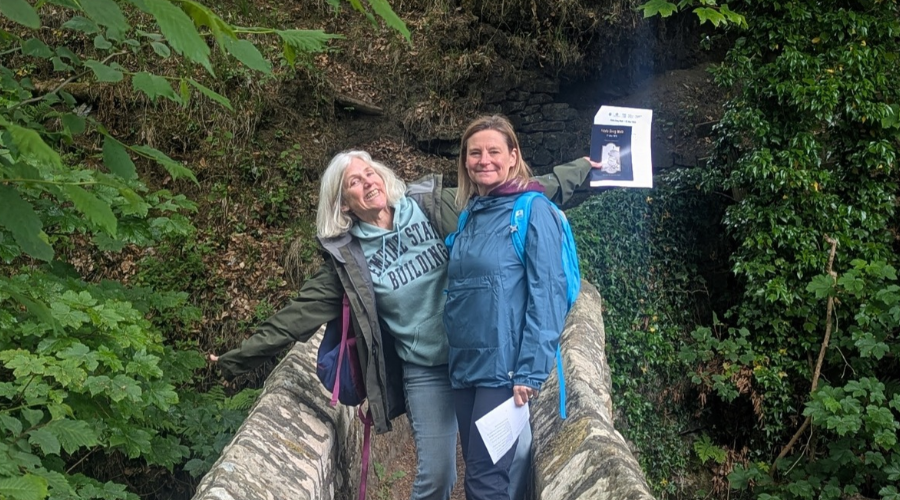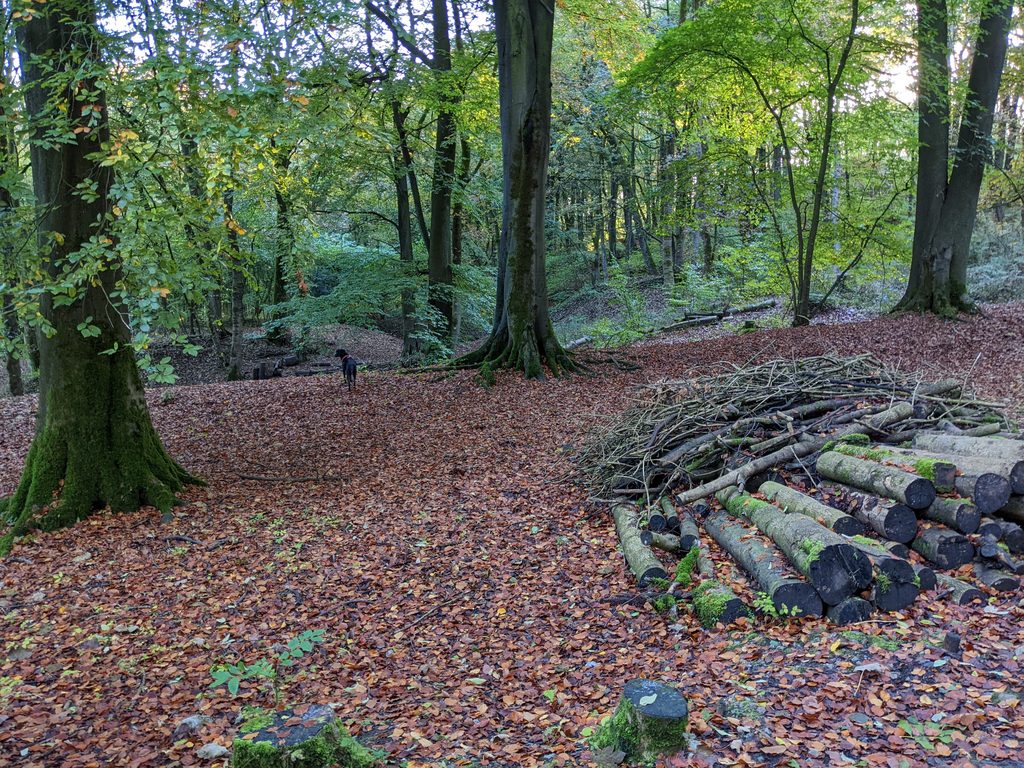
Whilst there is still a chill in the air, evenings are getting lighter, snowdrops and crocuses have started to blossom and subtle signs of spring are beginning to appear. Here’s a few nature highlights for February that you can spot as you explore High Peak and Hope Valley by train this month.
Herons
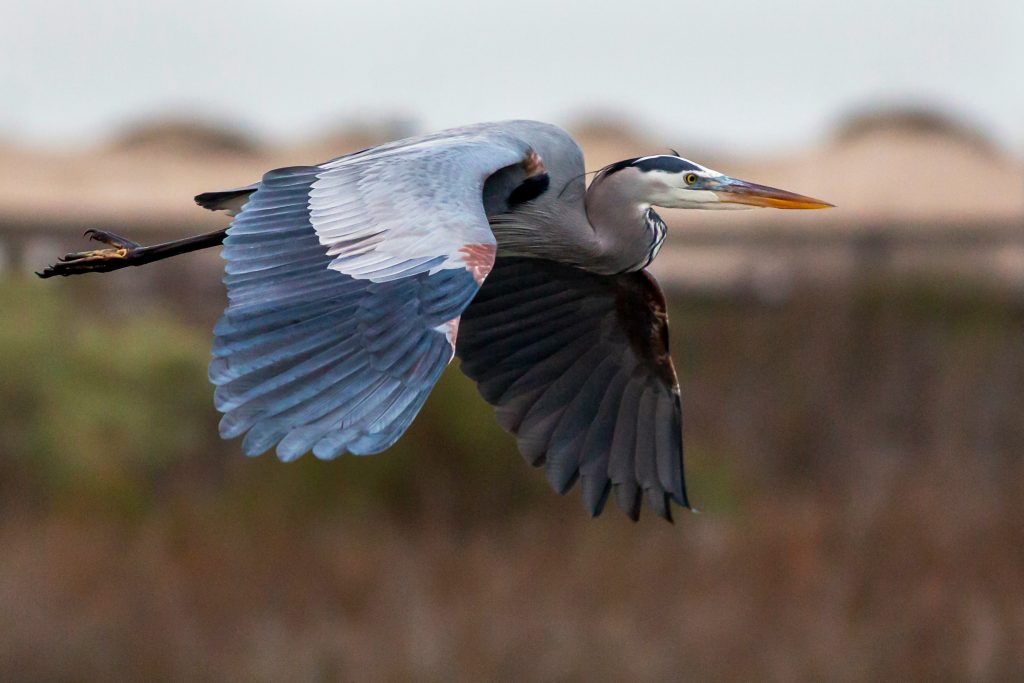
Herons are usually seen standing solitary, perfectly still in the water waiting to catch food. However, in February these birds head to communal nesting sites known as heronries. A heronry is a location where herons have nested for many generations and is an incredible rare opportunity to see their teetering tree-top nests.
Hazel Catkins
Look out for the yellow hazel catkins in the winter sunshine, often known as ‘lambs-tails’. Hazel trees are one of the earliest to produce catkins and the sight of these long clusters of yellow is a sure sign that winter is thawing and spring is on its way.
Snowdrops, Crocuses and Primroses
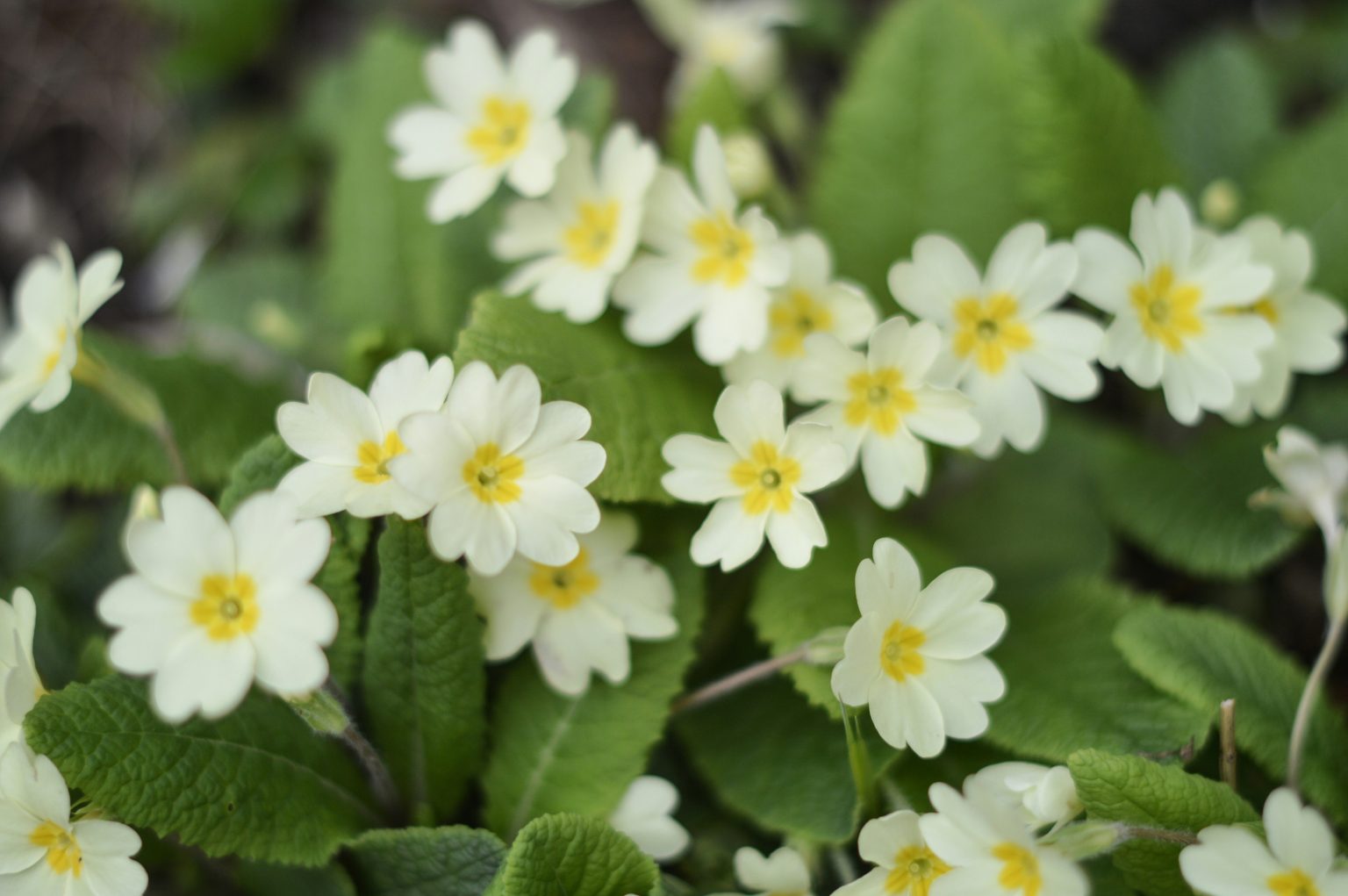
Often one of the first wild flowers we see, you have probably seen snowdrops already, their bright white nodding flowers adorning woodlands and gardens. The crocuses and primroses will be flowering over the coming weeks. The primrose’s common name comes from the Latin ‘prima rosa’, meaning ‘first rose’.

Greater Spotted Woodpeckers
Listen for the woodpeckers drumming in the woodlands this month. Along with pecking trees to find food below the bark, they may also drum to communicate with each other and in April and May they drum to make nests, excavating holes in trees.
We would love to see the nature that you spot as you get out and about exploring on the train this month, share them with us over on Facebook and Instagram.